Turn on the Bolt
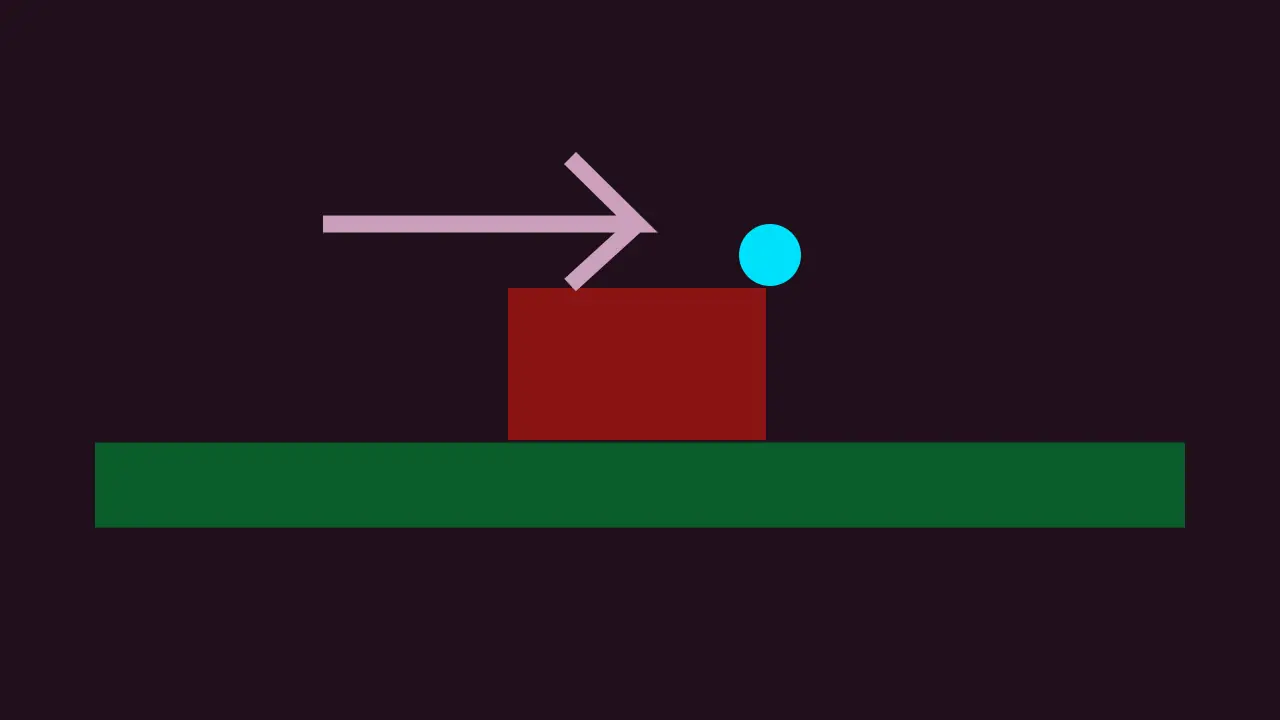
The Side Rail patrol changed direction when its internal counter reached forty beats. The change was consistent across every practice credit. It was also hard to see coming. During a jump, a player had to count in their head to tell whether the patrol would clear the landing. We moved the useful part of the pattern onto the walkway and made it visible from the place where they could still choose to wait.
Put a turning point beside the approach
The motor rolls past a tall support with one bolt visible against the red housing. An early version used a tiny mark under the patrol; the patrol would obscure it just as the player needed it. The current mark is above the motor’s path and a short distance before the jump’s far end. It stays visible when the character stands at the lower rail. The player can use either approach to see the upcoming direction change.
Moving a point into view changes the pace of the first screen. A patient player can wait until the machine begins to turn, then jump to the space it has cleared. A fast approach can pass before the same turn happens. We preserve both because the route is interesting whenever a decision made a little late needs a different landing. The target is a pattern a person can learn, with a reason to read the precise position each time.
Let the motor indicate a reversal
The patrol slows near the bolt and then rolls back. Its side light goes off for a short interval as it switches direction. In the current motion pass the wheel uses a visibly slower spacing between frames before that interval. The light and movement are available together. A muted cabinet can still be read from across the rail. A player following the regular ticking sound gets the same information through a brief break.
We tried adding an arrow over the enemy. It was easy to see and kept changing while the rest of the screen seemed still. It also kept attention on a floating indicator instead of the distance left to the landing. The motor light is closer to the part of the scene that changes. You can also make the upcoming turn visible by looking at its position against the bolt.
Test the pattern from a bad starting point
A player on the lower shelf arrives at a different moment than somebody who made the first jump. The patrol keeps the same cycle unless the credit resets. A recovery therefore needs a place to plan another move rather than guaranteeing the same opening every time. We added a short grip with enough clear space to stay there for a cycle. From that position the player can see the same point beside the motor.
One review jump deliberately drops the character below the walkway while the motor is about to turn. The observer waits for the clear signal and makes the climb from the lower lip. We check whether they saw the same motor state from below. If they have to memorise the sound that played on the first approach, we still need a better view of the light.
Keep the next screen available to learn
Side Rail ends the crossing section with a safe standing place where the pattern can be reviewed. A player can carry what they learned into the next screen without replaying the whole landing every time. The recovery note covers the grip that puts the player back within reach when they miss. The patrol stays relevant on its return path. We use the same repeatable test from the upper and lower rails to check that the player can plan from either, even on an attempt when a clean crossing is already out of reach.